Blog · Mon, Oct 5, 2026
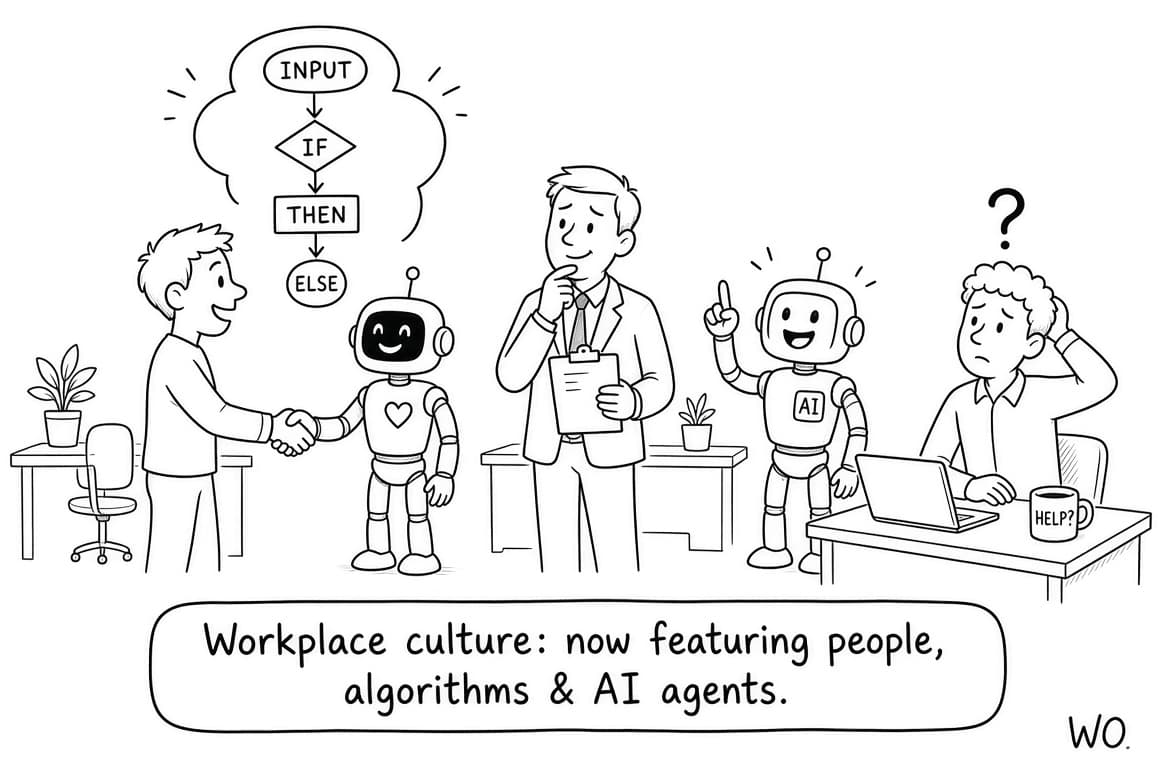
AI isn't just changing how work gets done. It's changing the culture around it.
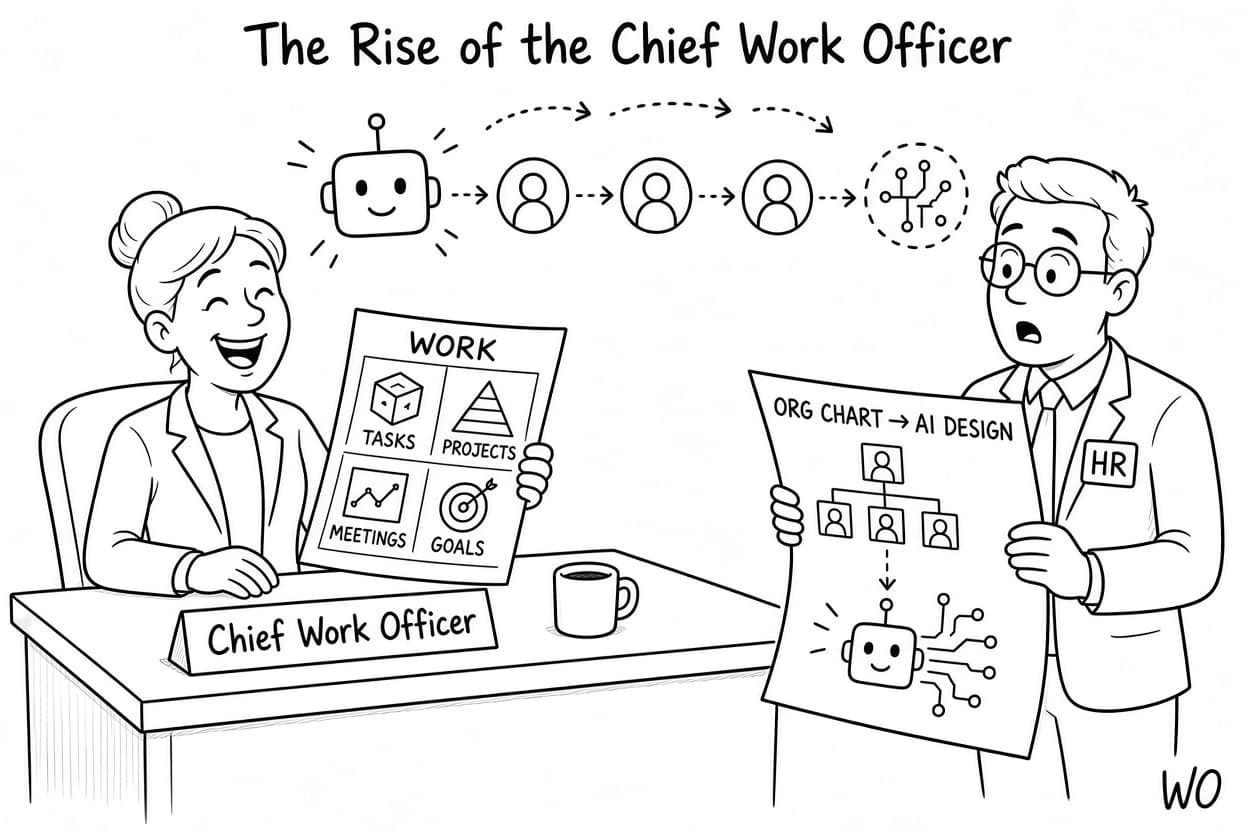
AI is reshaping not just who does the work, but who owns and designs it giving rise to the emerging Chief Work Officer. As HR evolves from managing people to managing the architecture of work, demand is shifting toward strategic, AI-fluent talent, creating new opportunities for HR leaders and staffing firms.
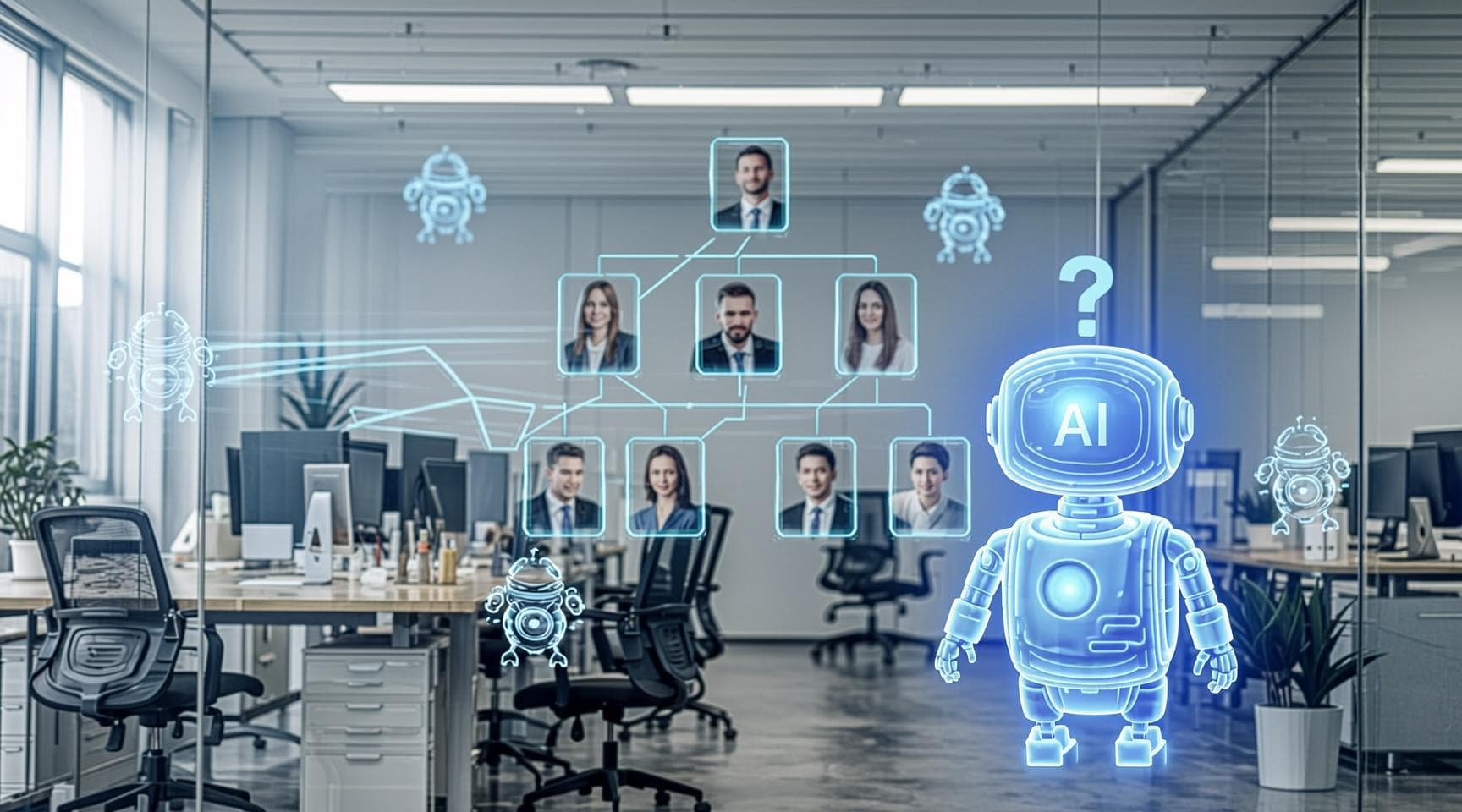
When every department deploys its own AI tools without visibility, organizations accumulate redundant agents and invisible costs. It's time to treat AI agents like employees—giving them a defined identity, a clear scope of authority, and a manager to ensure they deliver measurable value.
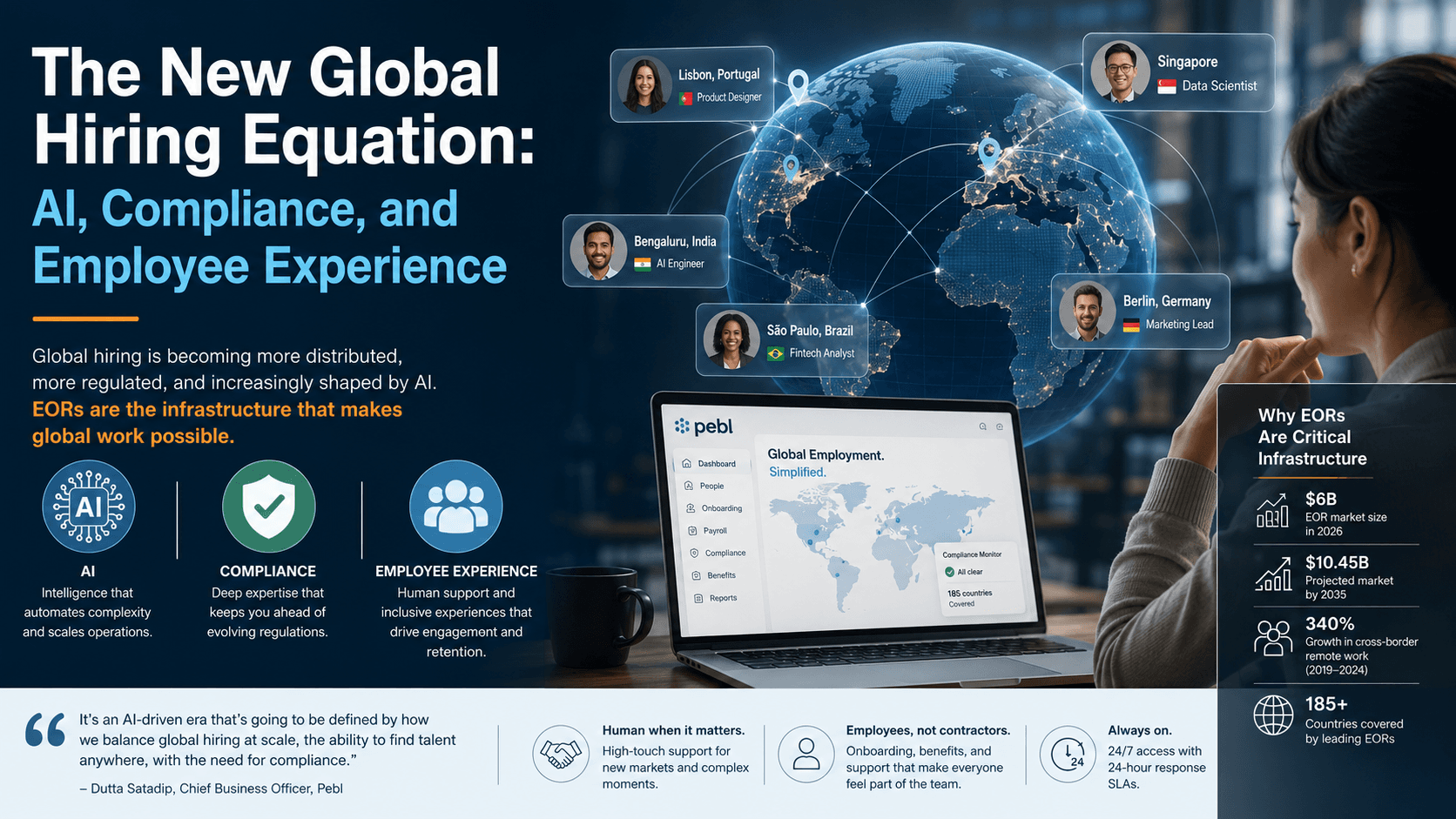
Global hiring is entering a new era defined by the intersection of AI, compliance, and employee experience. As companies expand across borders to access global talent, they face growing regulatory complexity and rising expectations from employees. Employer of Record (EOR) providers are evolving from simple payroll solutions into critical infrastructure, helping organizations navigate compliance, scale international hiring, and create seamless employee experiences. The future of global workforce expansion will belong to providers that combine technology with deep operational expertise and human support.

Most staffing firms wait for a requisition before engaging. The most valuable ones don't. As organizations grapple with leadership succession, skills shortages, and long-term workforce planning, a growing opportunity exists for staffing firms to move beyond transactional hiring and become strategic talent partners. By helping HR leaders build future leadership pipelines before vacancies emerge, firms can create deeper relationships, deliver greater value, and earn a lasting seat at the workforce planning table.
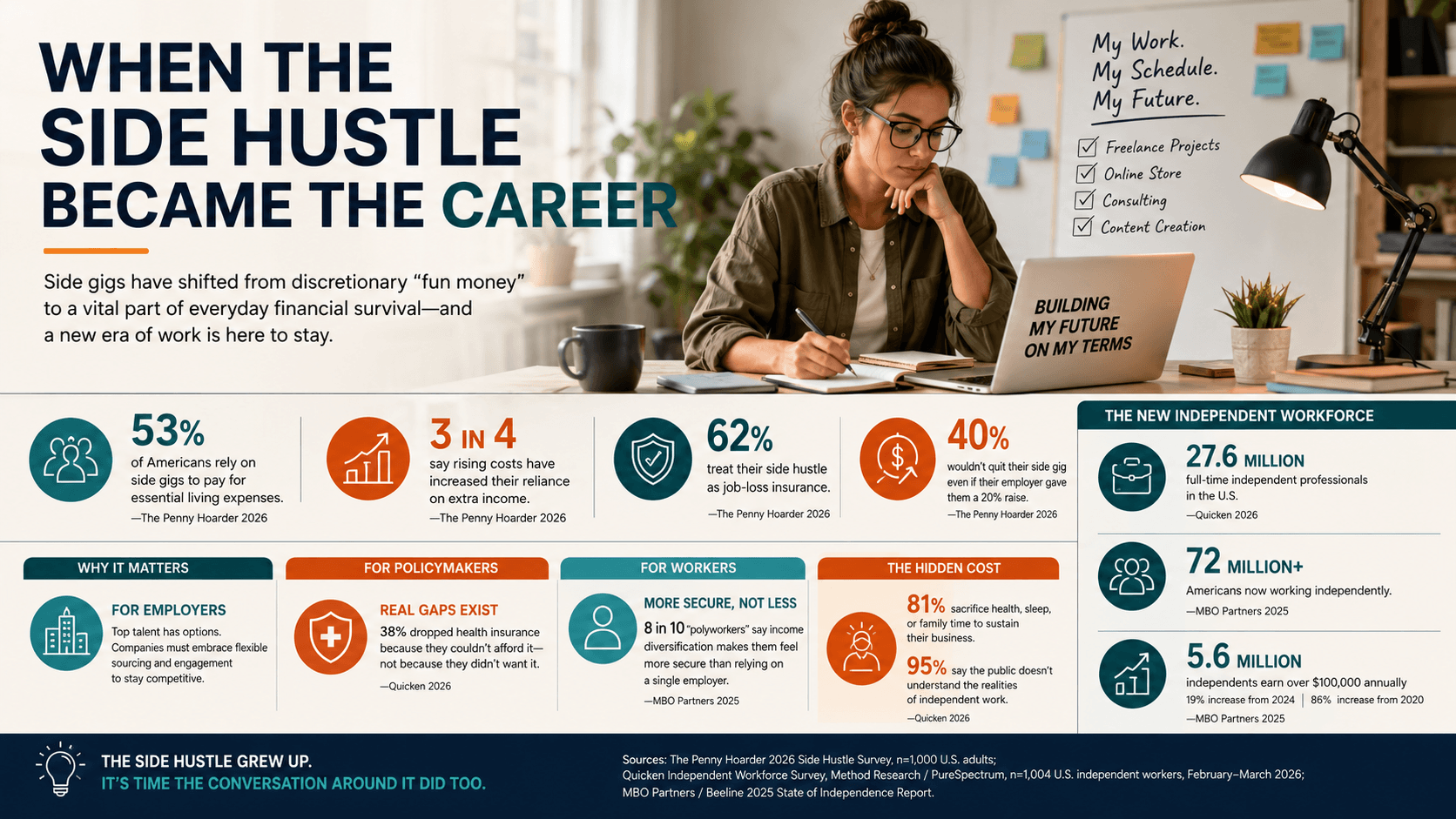
What began as a side hustle has become a permanent career path for millions of Americans. As rising costs reshape the workforce, independent work is no longer just extra income—it’s a core source of financial security, professional identity, and economic resilience. For employers and workforce leaders, this shift signals a fundamental change in how talent works, engages, and builds careers.
As commercial hiring slows, the federal market is becoming a major growth opportunity for staffing firms. With rising demand in IT, cybersecurity, and healthcare — plus more accessible contracting thresholds — firms that invest early in federal relationships and cleared talent pipelines are positioning themselves for stable, long-term growth.
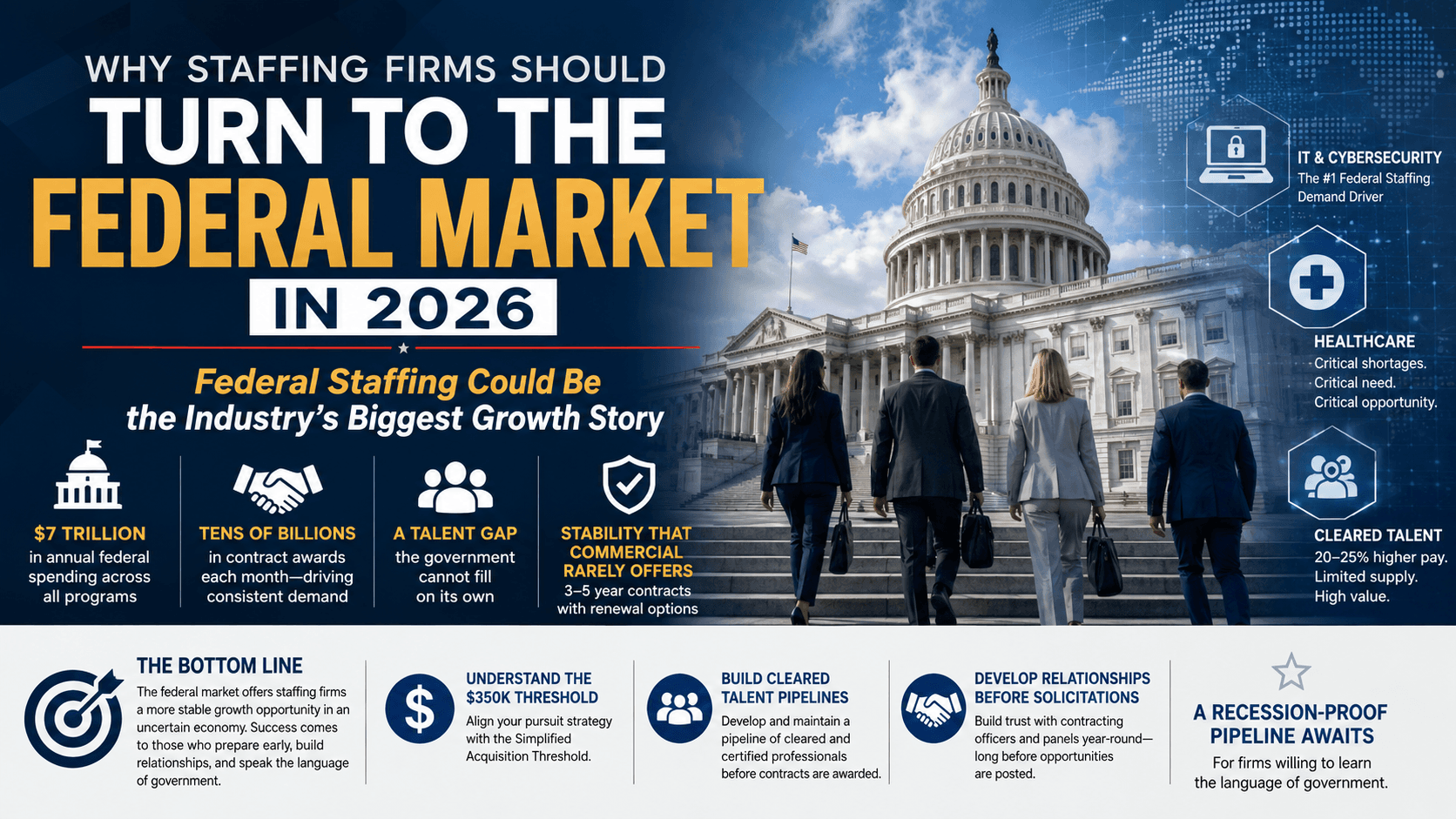
As commercial hiring slows, the federal market is becoming a major growth opportunity for staffing firms. With rising demand in IT, cybersecurity, and healthcare — plus more accessible contracting thresholds — firms that invest early in federal relationships and cleared talent pipelines are positioning themselves for stable, long-term growth.
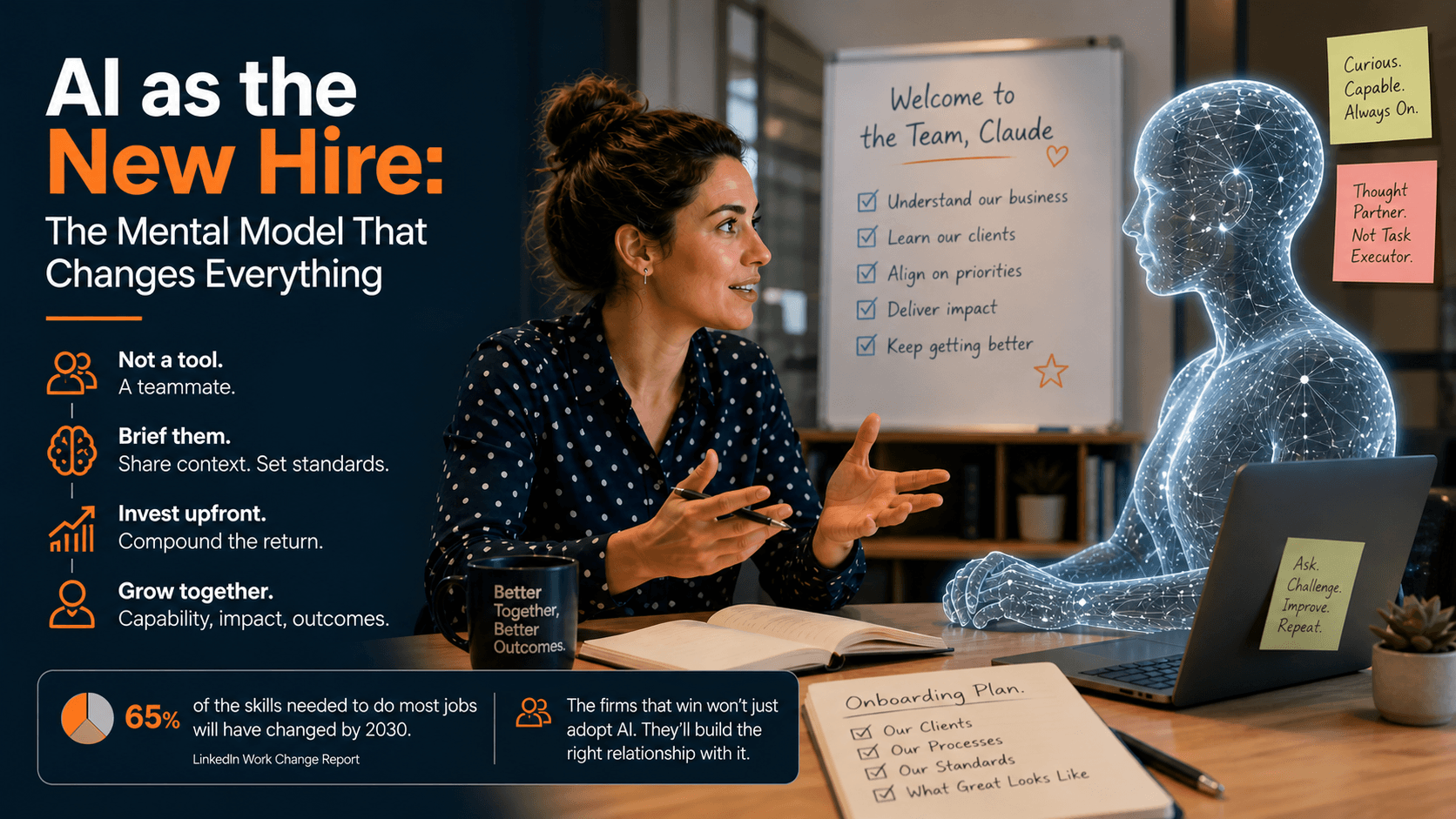
AI isn’t just a tool—it’s a new hire. The companies getting the most value aren’t just prompting better; they’re onboarding AI like a teammate, investing in context, and building a working relationship that compounds over time..
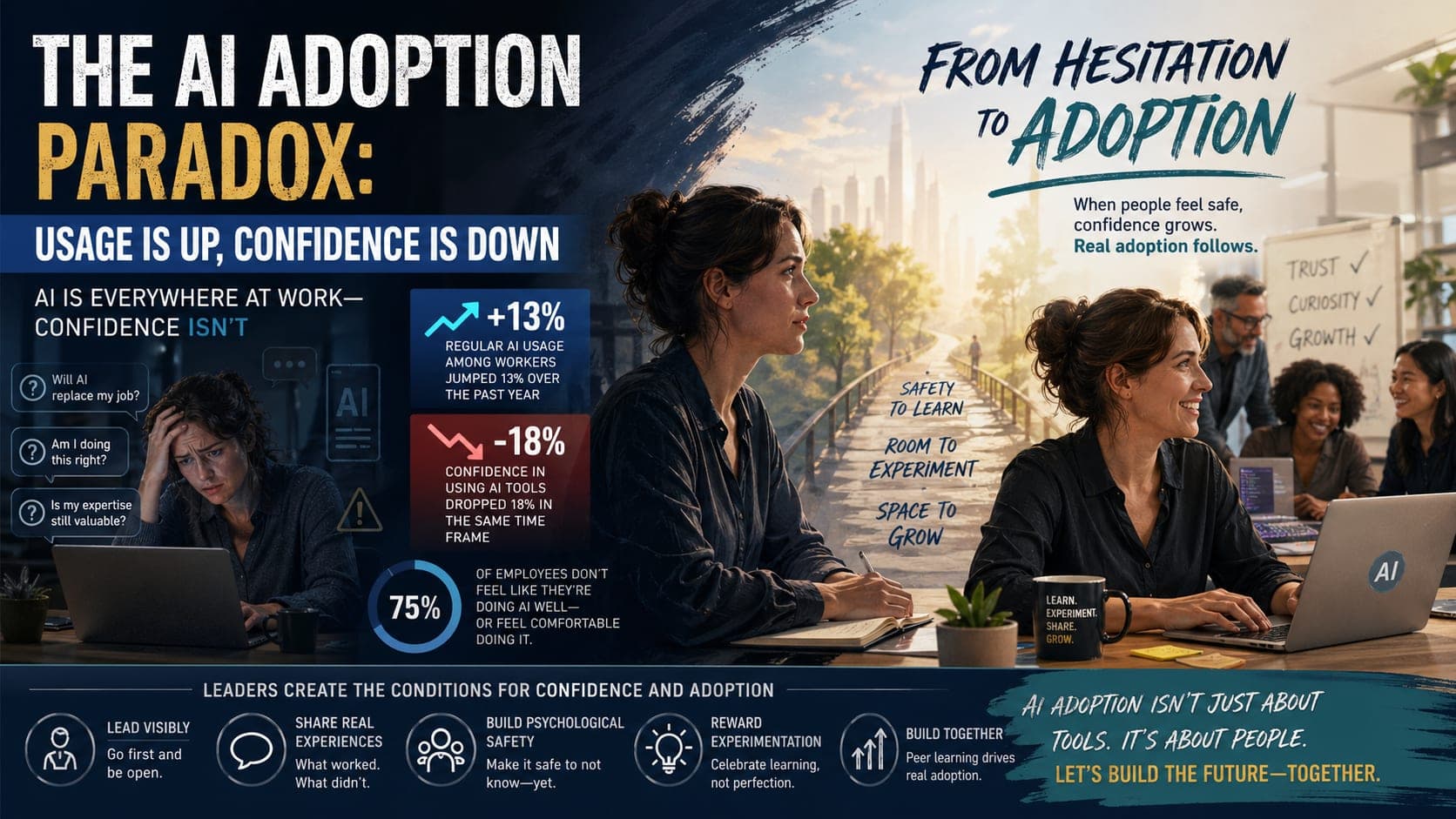
Employees are adopting AI tools faster than ever, yet most don’t feel comfortable using them. The issue isn’t training or access—it’s psychological safety. When people fear getting it wrong, adoption stalls. The organizations getting this right aren’t just rolling out AI. They’re creating cultures where it’s safe to learn, experiment, and not have all the answers yet. That’s where real adoption begins.
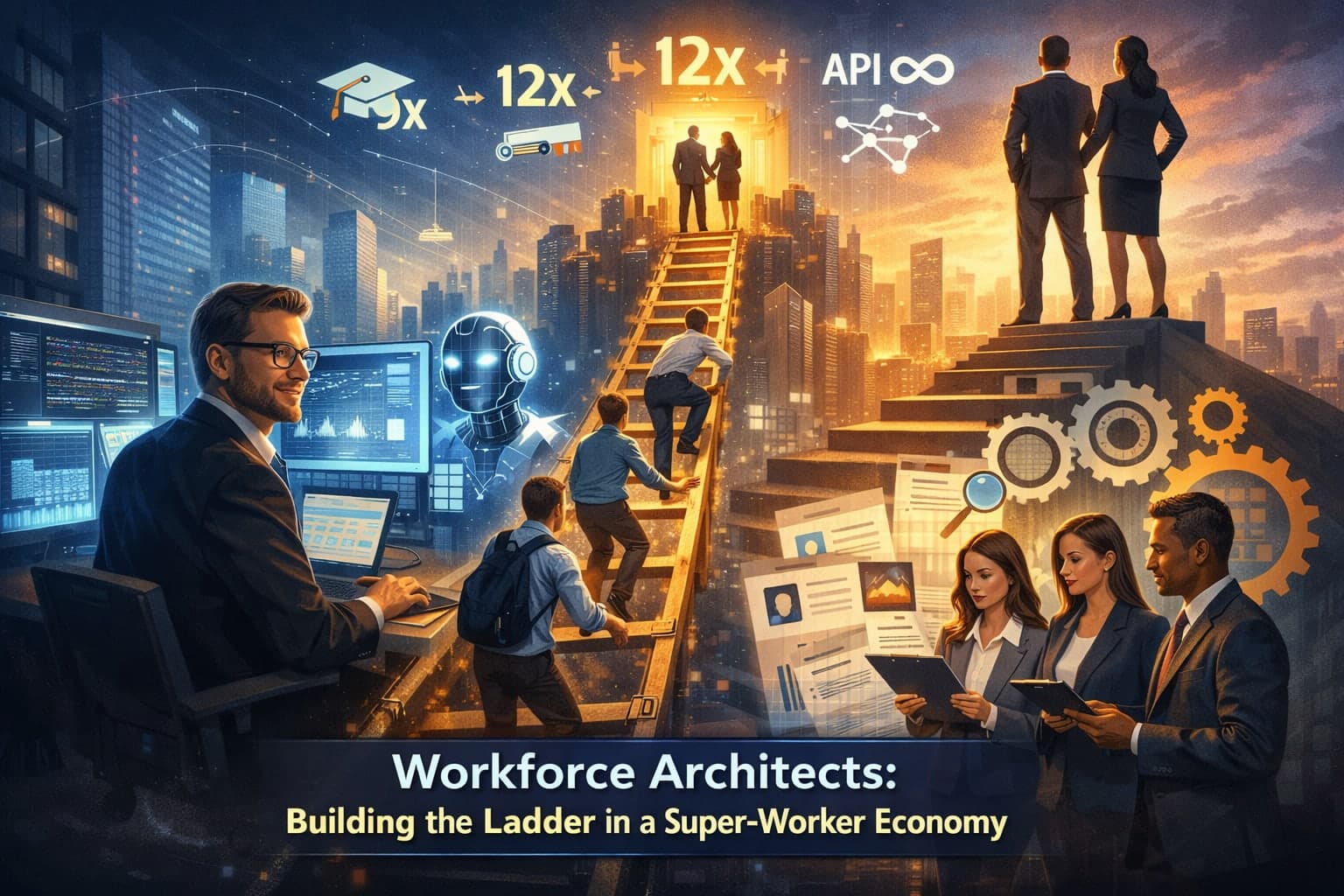
The career ladder is losing its bottom rungs. Since the launch of ChatGPT, entry-level hiring for Gen Z has plummeted by 14%, creating a 'hiring chill' that threatens the future of our talent pipelines. If AI is absorbing the tasks where juniors once 'learned the ropes,' how do we train the next generation of leaders? Discover how the staffing industry can bridge the gap and redefine the entry-level role for the AI era.
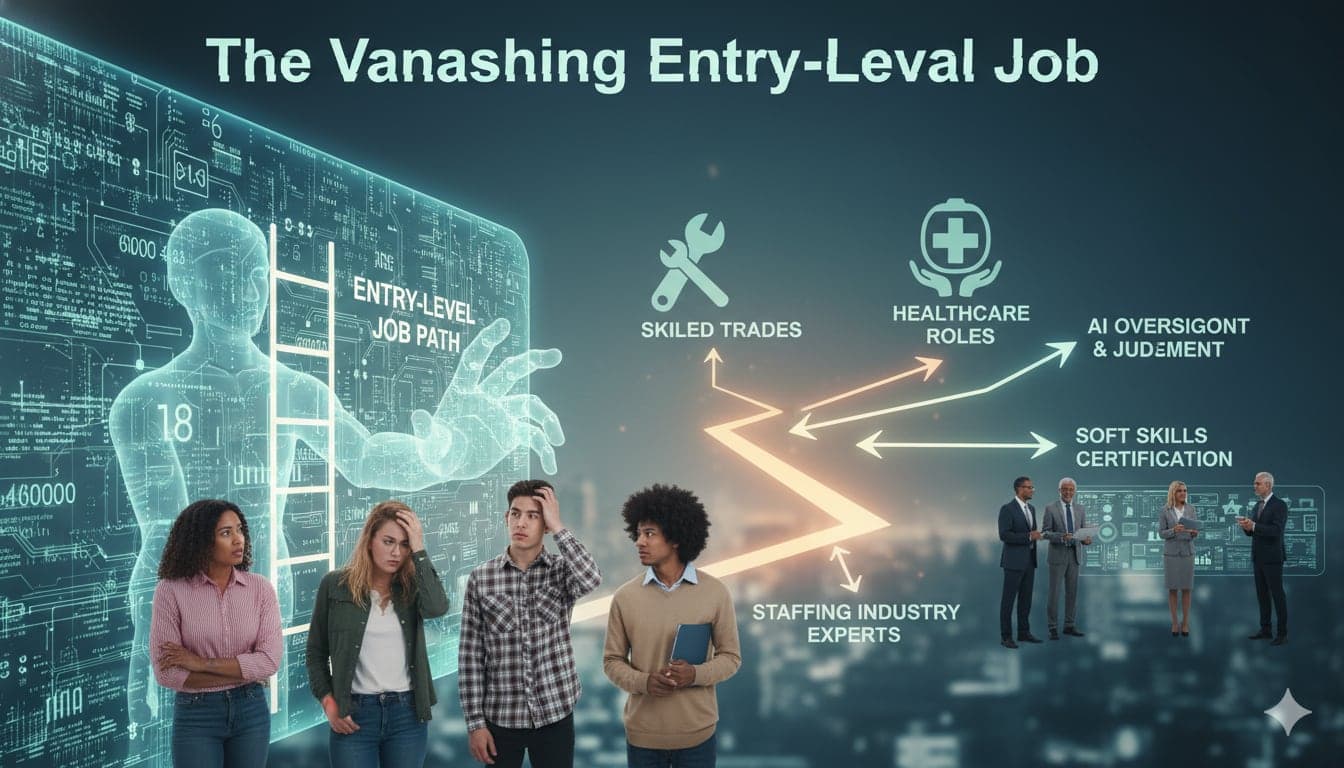
The career ladder is losing its bottom rungs. Since the launch of ChatGPT, entry-level hiring for Gen Z has plummeted by 14%, creating a 'hiring chill' that threatens the future of our talent pipelines. If AI is absorbing the tasks where juniors once 'learned the ropes,' how do we train the next generation of leaders? Discover how the staffing industry can bridge the gap and redefine the entry-level role for the AI era.

The most effective leaders aren't the ones with the loudest voices. They are the ones who have mastered the difficult art of unlearning the need to be first.
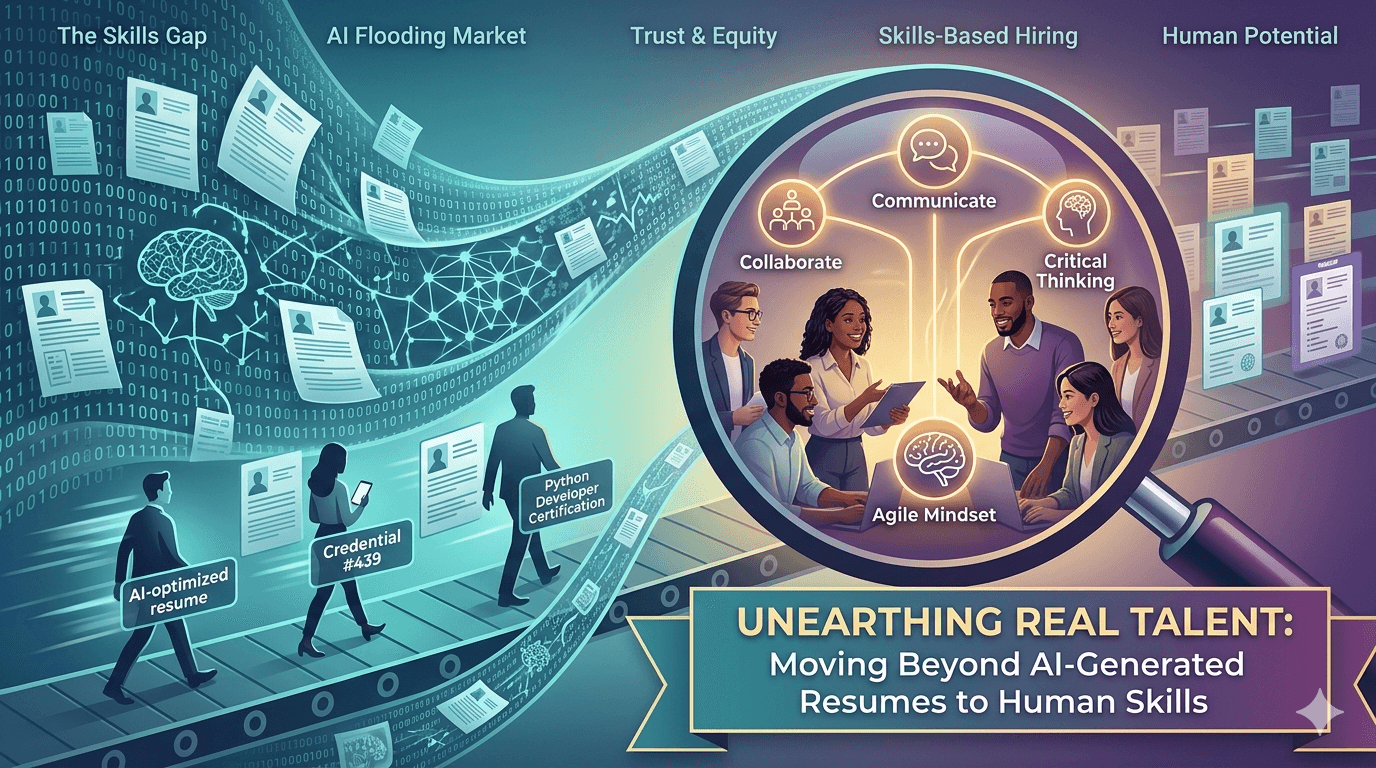
The most urgent skills gap in today’s labor market isn’t technical—it’s human. As AI floods the market with polished resumes, the ability to identify durable capabilities like critical thinking and collaboration is becoming the new gold standard in hiring.

Forget climbing the corporate ladder. In the age of artificial intelligence, the ladder itself is being dismantled and rebuilt into something entirely new.

When police pulled over a driverless Waymo taxi for an illegal U-turn, they faced a uniquely modern dilemma: who do you ticket when there's no driver? This incident reveals how AI and automation are fundamentally reshaping not just our streets, but the entire workforce landscape.

The future of IT staffing will be defined by a symbiotic relationship between technology and human connection. In a world of algorithms, the human touch has become the ultimate currency.
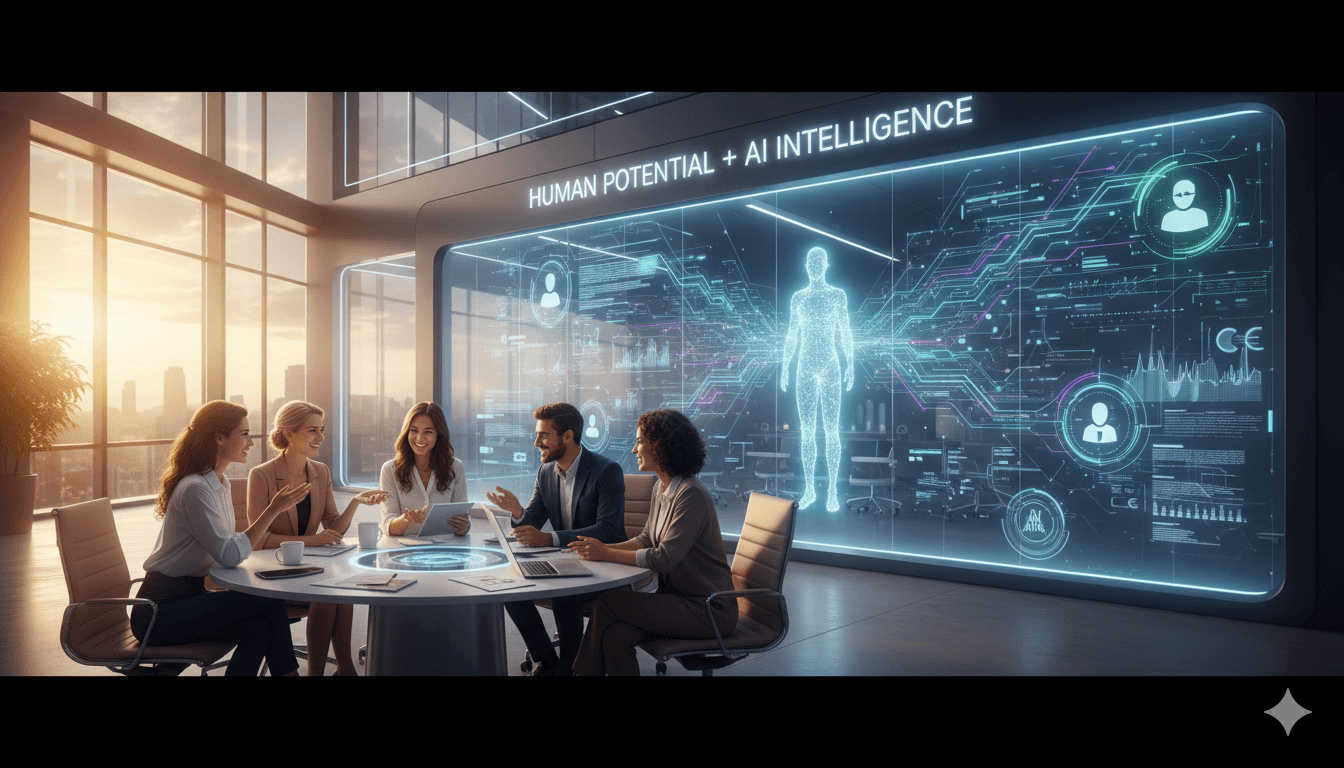
The staffing industry is at a pivotal crossroads, where Artificial Intelligence presents a significant opportunity for reinvention rather than a threat. According to Kip Wright, founder and CEO of Wright Path Advisors, AI can handle data-intensive tasks, liberating recruiters to concentrate on the human aspects of matching candidates with clients. This "Jerry Maguire meets the assembly line" model emphasizes the personal characteristics and cultural fit that are crucial for successful placements. While the industry has faced challenges, there are signs of a recovery, and future growth hinges on embracing technology and automation. A recent survey, however, reveals a "profound lack of awareness" among executives about the AI capabilities already present in their existing tools, indicating a missed opportunity for immediate efficiency gains. To thrive, the industry must shift towards a collaborative "co-opetition" mindset, proudly embracing its vital role in impacting lives and businesses, and leveraging technology to enhance, not replace, the human element.

In a strategic move that defies industry norms, staffing firm Mitchell Martin turned down a lucrative acquisition offer for their $230 million company. Instead, founders Gene and Josh Holtzman sold 40% of the business to their employees through an Employee Stock Ownership Plan (ESOP). This decision transforms every team member into a stakeholder, fostering a powerful ownership culture that aligns the company's long-term success with the financial well-being of its people. By prioritizing their employees over a massive payday, Mitchell Martin is making a definitive statement that their most valuable asset is, and always will be, their people.

Artificial intelligence is no longer a future possibility—it's actively reshaping how we work today. Discover how organizations are integrating AI tools while maintaining the human elements that drive success.